What Are We Learning About Shaping a Better Future?
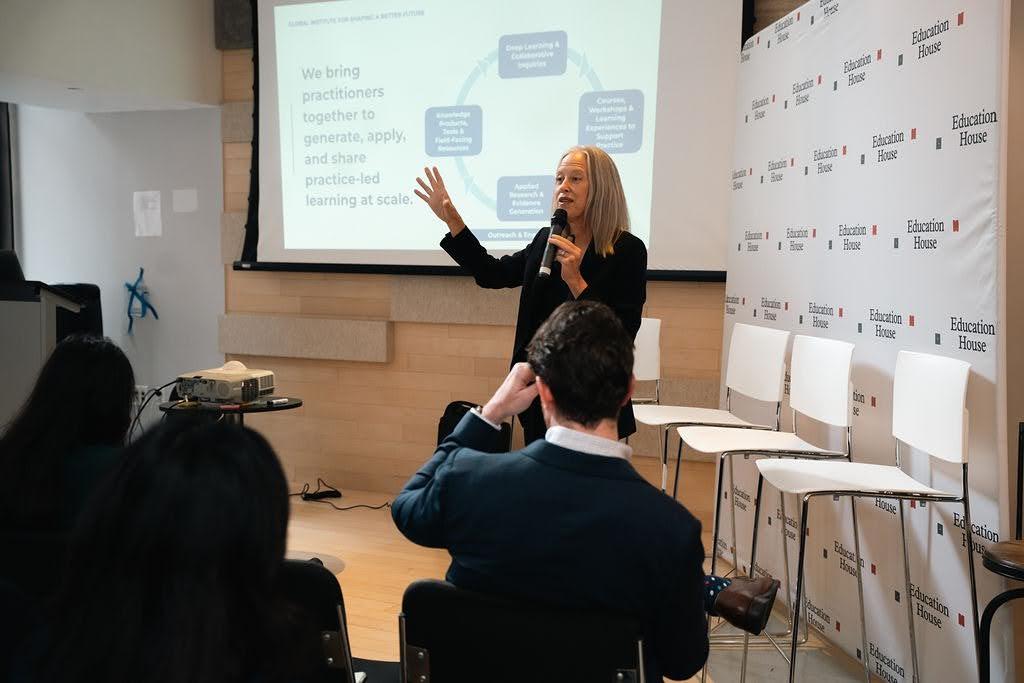
On September 22, Teach For All co-convened Education House @ UNGA 81 at 25 Broadway in New York, bringing together leaders and organizations from across the global education community to exchange ideas, and share emerging learning.
As part of the day, the Global Institute for Shaping a Better Future hosted an interactive session around the question: What are we learning about shaping a better future?
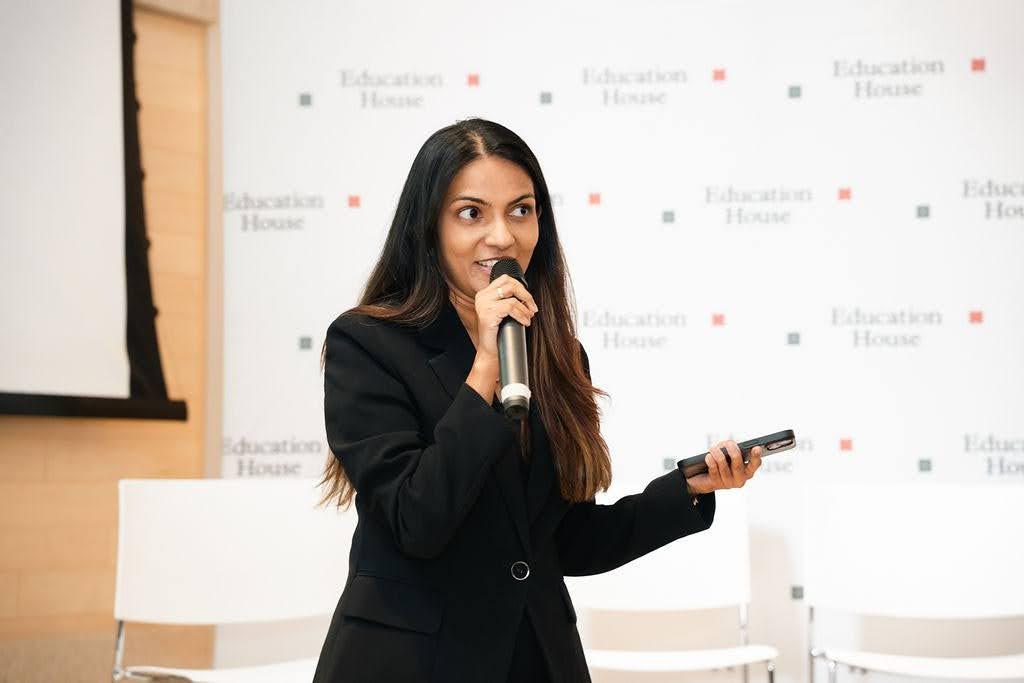
Led by Teach For All CEO Wendy Kopp and Global Institute Director Cheryl Fernando, the session brought together more than 70 participants to reflect on the Global Institute’s learning so far. The session invited participants to engage with emerging insights, bring perspectives from their own work, and identify questions for further inquiry.
Five areas of inquiry
Attendees“voted with their feet,” choosing one of five areas of the Global Institute’s learning agenda to explore in greater depth:
- Developing educators for a new paradigm of learning: How can we develop and support teachers who enable students to grow holistically and shape a better future?
- Building shared purpose across systems: What enables educators, students, communities and leaders to align around a shared vision for the purpose of education—and sustain it over time?
- Schools and learning environments that support holistic development: What can we learn from schools and learning environments already reimagining education around the development of the whole child?
- Transforming measurement and progression: If we value holistic development, how might assessment, credentialing, progression, and accountability need to evolve?
- AI and human flourishing: How can AI advance holistic student development while strengthening the uniquely human capabilities that matter most?
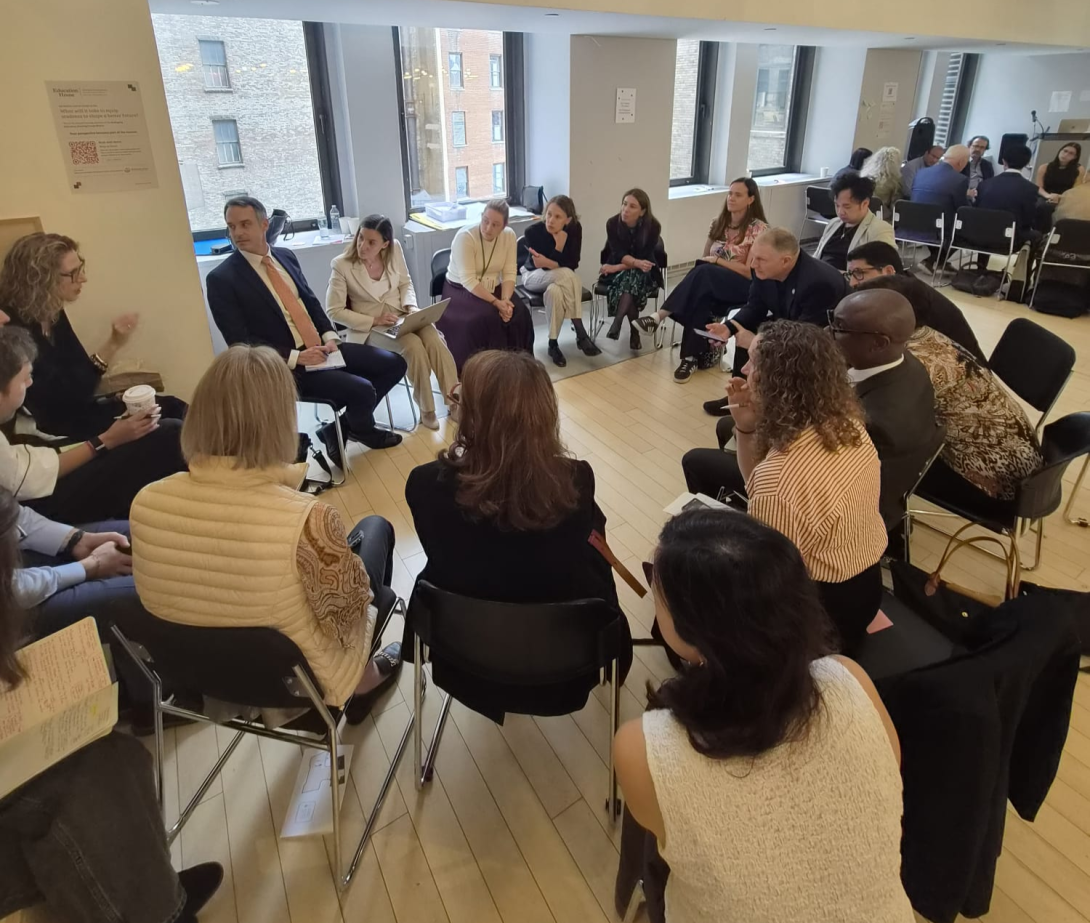
Each discussion began with a question and emerging hypotheses from the Global Institute’s work, followed by an invitation to participants to share insights, challenges, and examples from their own contexts.
Across the conversations, there was clear alignment that developing students holistically requires us to look beyond any single intervention. We must address how educators are developed, how systems build shared purpose and agency, how learning environments are designed, how we define and measure progress, and how emerging technologies such as AI are used.
Participants also contributed lessons from their own work, the questions they are grappling with, approaches that are showing promise, and where there may be value in learning together.
Opportunities for collective learning
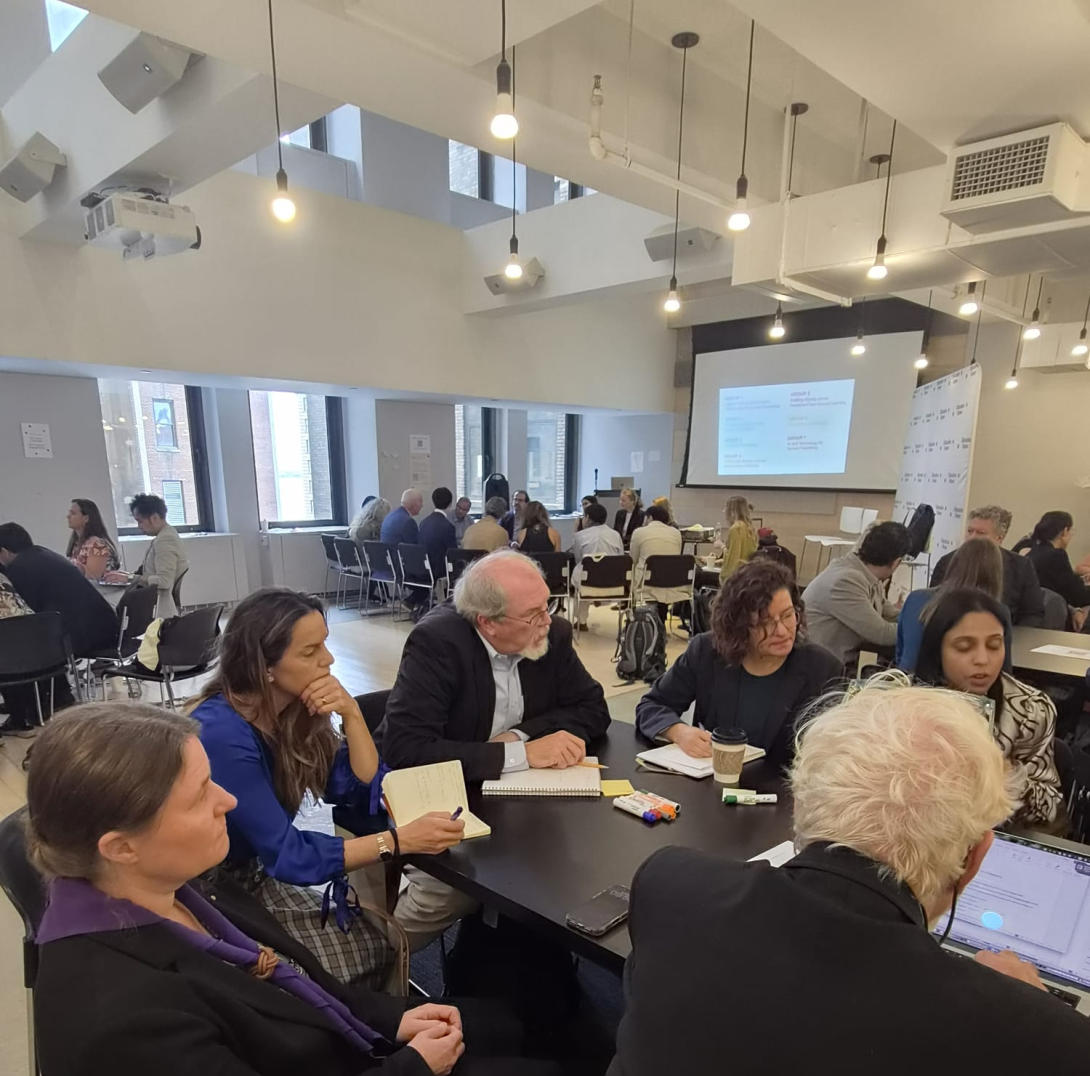
The session was designed not as an endpoint, but part of an ongoing process of learning together.
In closing, participants were invited to think about what we should keep exploring together and how they might stay involved. The Better Future Hub is one place to continue the conversation, share ideas and examples, and learn from others working on similar questions.
Voices from the Global Institute across Education House
Learnings from the Global Institute were also featured across several other Education House conversations:
Learning from BOLD fellows: In Schools Already Living the Shift, fellows from the Beacons of Learning Design (BOLD) Fellowship shared practical lessons from TUMO, A Favor del Niño and LEAD on designing learning environments that support holistic youth development. Here are 10 emerging patterns from the inaugural BOLD Cohort. Nominations for the second cohort of BOLD fellows can be made by October 15 here.
Measuring What Matters: The session What Student Outcomes Matter for the Future — and What Evidence Base Do We Need? explored how we prioritize and measure outcomes that foster human capability and resilience, drawing on the Global Institute’s work on holistic student outcomes. Find out more about the Global Institute’s research, and read more about the session and key takeaways on OECD’s Education and Skills Today page.
Exploring Education for Human Flourishing: Alex Beard, a Chief Learning Officer at the Global Institute, was featured in the conversation Education for Human Flourishing: What Works in Practice? which explored practical examples of how education can advance wellbeing, agency, purpose, and human development.
Exploring the Reshaping Education Steering Group’s question: What will it take to equip students to shape a better future? Emerging from the Global Institute’s 2025 Better Future Forum, the RESG has been building a growing global conversation around this shared learning question. Last year at UNGA 80, we brought the question to a long-table conversation with education leaders and practitioners. This year, we brought the work back to New York through a dedicated session with students and two conversations at Education House. The RESG also shared the vision for the next phase — expanding participation, particularly among students and educators, and strengthening the listening and sensemaking needed to connect these insights to the 2027 Sustainable Development Goal 4 Review and the post-2030 education agenda. To host a conversation and contribute to the learning, contact @email.