
Comparative & International Education Society 2026
April 1, 2026 - San Francisco
1000+ engaged | Global
By: Robbie Dean & Alvin Vista
To equip students to shape a better future, we need to rethink not only what we teach, but how we understand and measure learning itself.
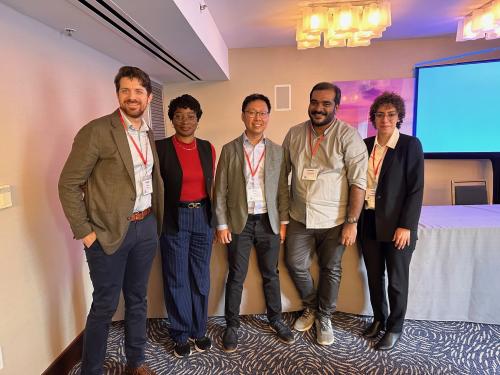
Insights from the Comparative and International Education Society (CIES) 2026 conference point to the importance of developing more robust and meaningful approaches to holistic student outcomes. During a panel on “Reimagining Social Emotional Learning (SEL) from the Margins,” the Global Institute for Shaping a Better Future, alongside partners such as Brookings Institution, PAL Network, Oxford MeasurED, and Dream a Dream, explored how education systems can better support the full development of young people.
A key shift is toward more sophisticated forms of assessment—such as performance tasks and situational judgment tasks—that go beyond traditional metrics to capture how students think, apply knowledge, and navigate real-world challenges. These approaches not only provide richer insights into student learning, but also create space for reflection, helping both students and teachers reconnect with purpose and align learning with what truly matters.
Crucially, stronger measurement systems must also support teachers. As highlighted in the panel discussion, equipping students for the future depends on equipping educators with the tools, insights, and professional learning needed to foster holistic growth. This raises an important question for the field: how can measurement systems do more than assess outcomes—how can they actively inform and strengthen the most effective approaches to teacher development?
Ultimately, preparing students to shape a better future requires education systems that value and measure what matters—supporting not just academic achievement, but the development of purpose, agency, and the capabilities needed to navigate and contribute to an increasingly complex world.