The Education and Development Forum (UKFIET)
17-19 September 2025 - Oxford, UK
200 engaged with the Global Institute | Global
By: Robbie Dean, Global Institute for Shaping a Better Future
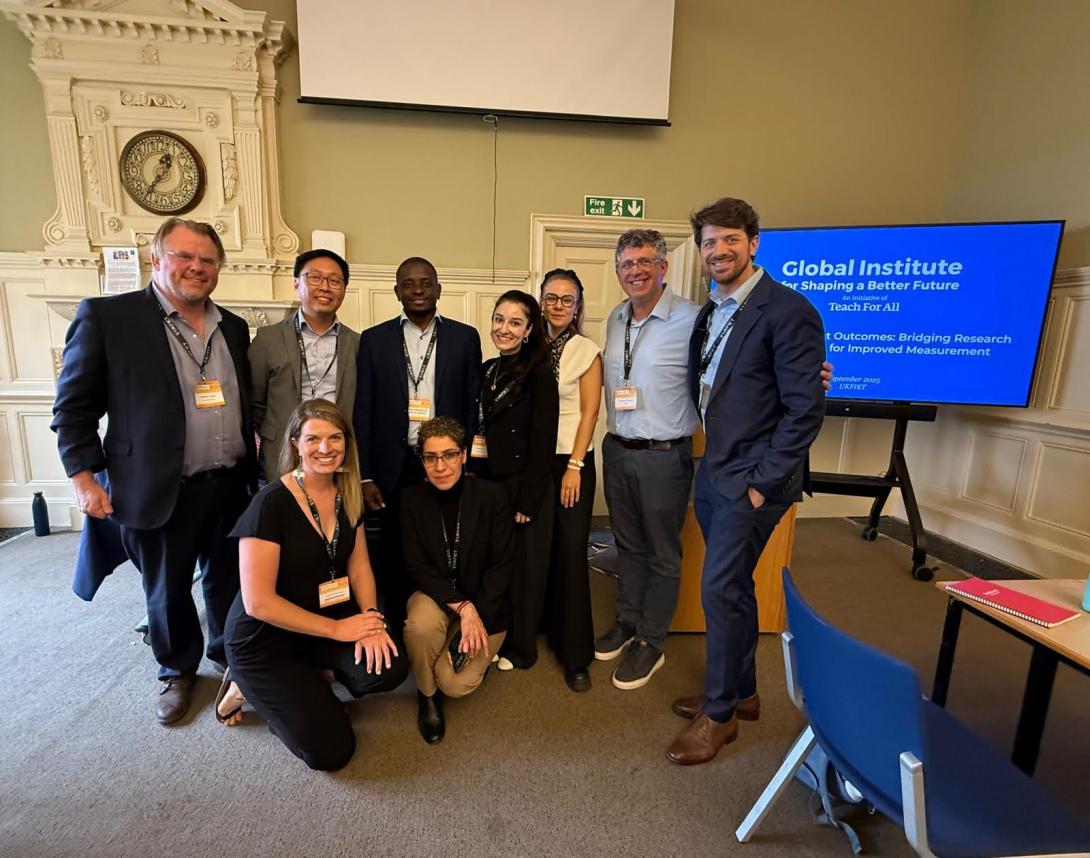
At UKFIET 2025, the Holistic Student Outcomes Measurement Working Group and its Symposium focused on effective holistic outcomes programming and measurement to grow students holistically so they can shape a better future. We are building our coalition of researchers in the Global Institute advancing measurement, including Oxford MeasurED, the OECD Study on SESS, and local university partners.
Overarching Questions: The Working Group explored the following key questions:
- What is the purpose and role of measuring social and emotional learning?
- What are the most valid, reliable, and context-relevant approaches to measure social and emotional learning?
- How can we make measuring social and emotional learning actionable for teachers?
- How can effective measures of social and emotional learning influence educational systems to develop all students holistically?
Emerging Insights from the Working Group:
Purpose-Driven Holistic Outcomes Measurement: The purpose of holistic outcomes programming and measuring holistic student outcomes is to equip teachers, teacher developers, and community members with the mindsets, skills, and data to support holistic student growth. Effective programs have a specific contextualized vision of student holistic outcomes, which permeate their training and ongoing support of teachers.
Valid and Reliable Approaches to Measuring and Using Holistic Outcomes Data: Holistic assessments must be individually reliable and validated in the contexts in which they were developed for understanding program effectiveness. For teachers, student social and emotional learning is more actionable when triangulated measures include student perceptions, teacher attitudes/beliefs, and broader measures of belonging. The Working Group's approach emphasizes the use of multiple data sources through triangulation.
Teacher Supports: Teachers and professionals who support teachers need better guidance to effectively use this data to inform their instruction and reinforce a purpose of education to support students holistically. We must also support teachers to understand their own mindsets and motivations, and measurement of teacher mindsets can enable this.
Systems Influence: Holistic outcomes measurement helps to make the invisible visible by turning "soft skills" into data that can drive systemic priorities. Improved measurement of holistic outcomes can foster a greater appreciation for the holistic development of students.
Next Steps: The next step is to create a research report with contributions of working group members that will produce guidance on the purpose of measurement of holistic outcomes, the importance of supporting teachers to reflect and monitor shifts in mindsets with their coaches, and effective measurement and monitoring tools to understand student SEL progress. The writing process will leverage the diverse expertise of members to produce a high-quality report that reflects a locally-rooted and globally-informed perspective on effective SEL measurement.