Malaysia Teacher Prize 2025
9 November 2025 - Kuala Lumpur, Malaysia
Malaysia
By: Cheryl Fernando, Global Institute for Shaping a Better Future
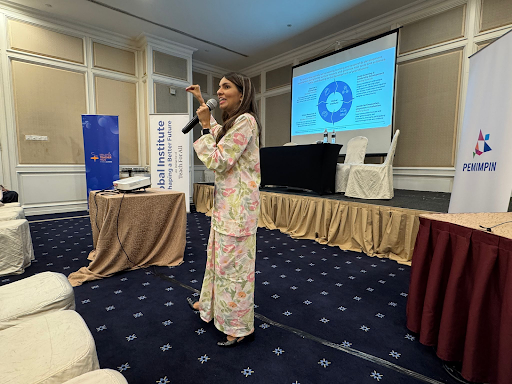
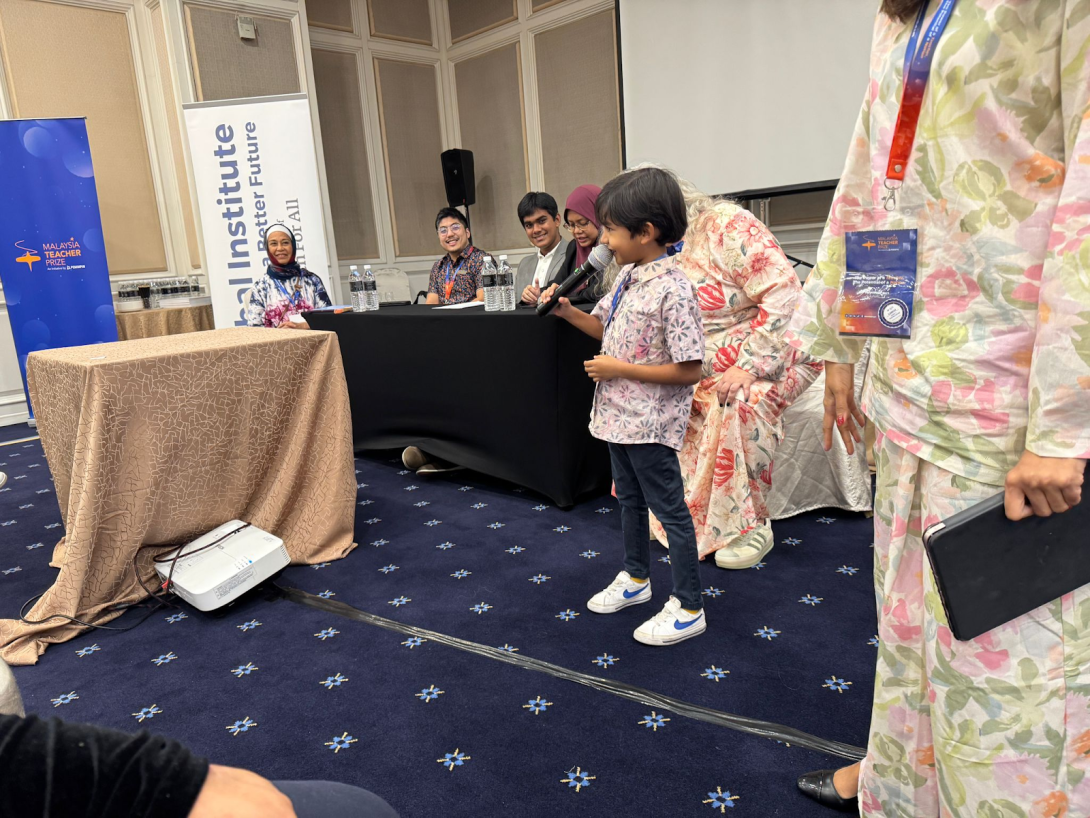
In November 2025, amidst the vibrant energy of a Long Table Workshop in Malaysia, a group of stakeholders gathered to grapple with a question that defines our era: What would it take to reshape the purpose of education toward equipping students to shape a better future for themselves and everyone? The dialogue was uniquely inclusive, bringing together a diverse assembly of students, educators, policymakers, and activists to share their lived experiences and aspirations. The conversation that emerged did not focus on curriculum tweaks or infrastructure; instead, it pointed toward a fundamental transformation of the human spirit at the heart of our schools. To truly equip students to shape a better picture of our world, we must first change how we see the architects of that world—the teachers.
Moving from Instructors to Co-Learners
To equip students to shape a better future, the role of the educator must shift from a source of information to a facilitator of transformation. Teaching in this new paradigm is less about delivering a curriculum and more about building a foundation of trust. By utilizing a "Trust Equation"—balancing credibility and reliability with intimacy and low self-orientation—teachers move from being instructors to becoming co-learners. When teachers view themselves as leaders within the system, they stop merely preparing students for the world and start empowering them to create the world they actually want to live in. As 6 year old Immy shared, ““Kids will figure it out” - and we need to listen to them! This requires a fundamental move from "teaching" to "learning," where the educator’s presence and belief in the student are more powerful than the content alone.
Cultivating Curiosity Over Compliance
If students are to avoid becoming "clones" shaped by rigid career paths, education must prioritize the cultivation of curiosity, creativity, and critical thinking. Schools should function as launchpads for ideas rather than centers for grades. This requires a shift in mindset where asking the right questions is valued more than finding the "correct" answers. For younger children, this means returning to nature-based learning and play to protect their natural curiosity. By modeling empathy and social norms, adults provide the ethical framework within which students can explore their creativity safely and purposefully.
Redesigning Systems for Autonomy and Innovation
Innovation cannot thrive in a vacuum; it requires an ecosystem that provides both flexibility and recognition. Many educators possess the vision to lead change but find themselves constrained by layers of bureaucracy. To scale transformation, the system must grant teachers greater autonomy to co-create and co-plan with their students. This ecosystem extends to the recognition of experiential learning and co-curricular activities by formal education ministries. When real-world problem-solving is validated by the system, it motivates students to engage with their communities more deeply, turning schools into hubs of local innovation.
Measuring Growth Through Reflection and Iteration
The workshop emphasized that learning is a continuous, reflective process that must include the "whole village." Whether it is a student in a rural area using technology to solve local problems or an urban student securing grants for a business project, the impact of education should be measured by the ability to iterate: to try, fail, learn, and try again. Listening seriously to the voices of children provides the raw data needed to understand if our education systems are truly building confidence and independence. This transparency allows the community to see where the system is succeeding and where it needs to pivot.
Embracing the "Village" as a Collective Force
Ultimately, the "better picture" of education is one of shared responsibility. Every interaction—whether with a parent, a neighbor, or a teacher—is a moment of education. Adults and youth must coexist as collaborators rather than operating within a strict hierarchy. By embracing a "village" culture, where extended family and neighbors offer multiple perspectives, we ensure that education is not a fragmented effort but a collective commitment. When the wider community takes responsibility for all children, we create a supportive network that enables every student to step into their role as a leader of the future.